Environmental Management Fund.
Enhancing biodiversity through the EMF.
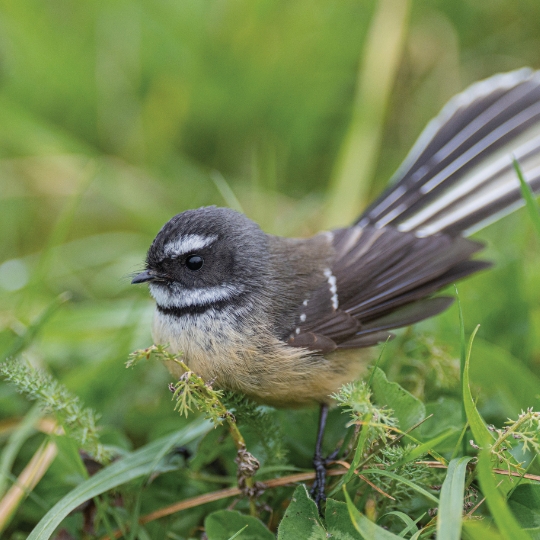
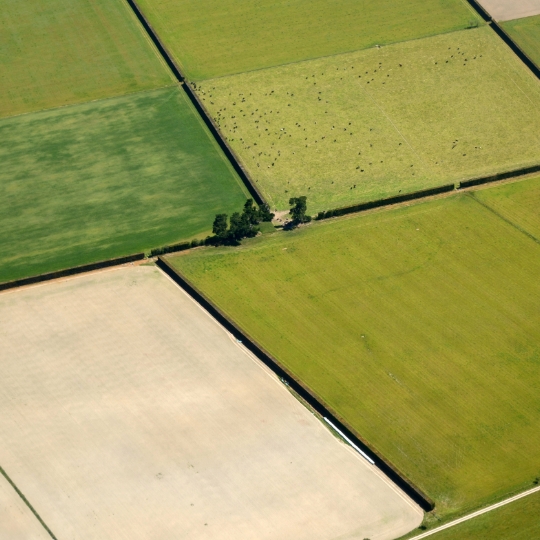
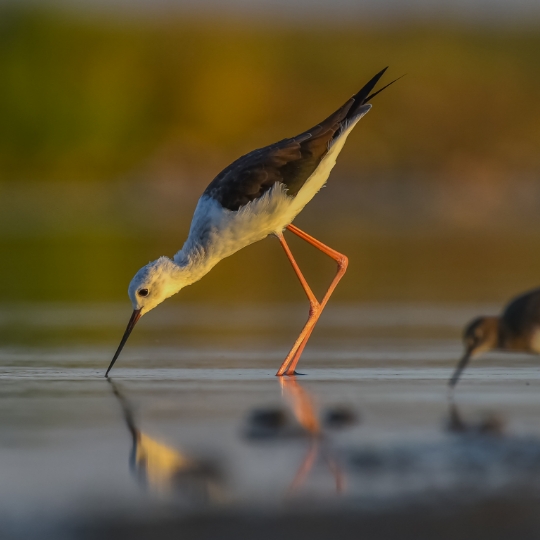
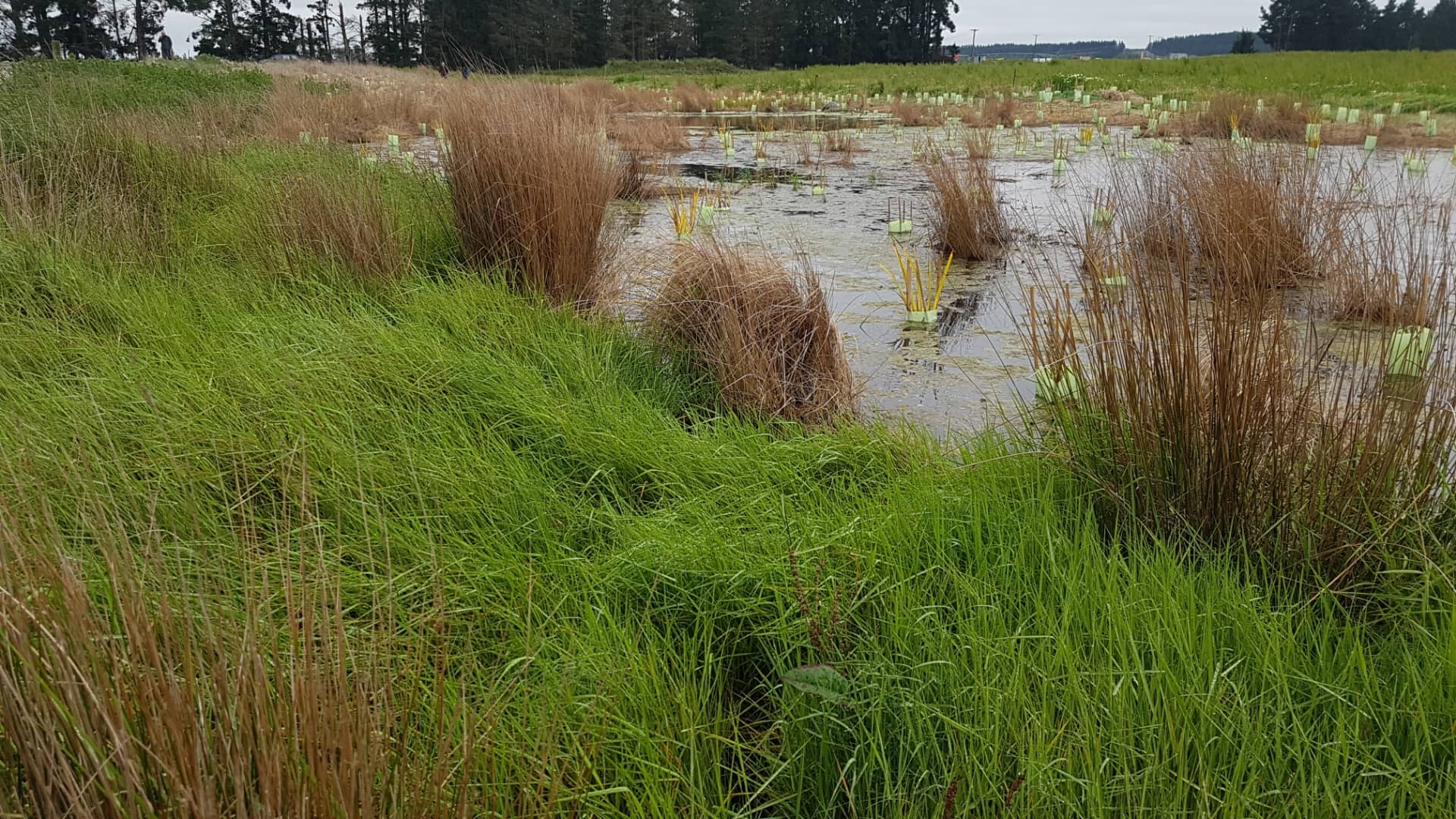
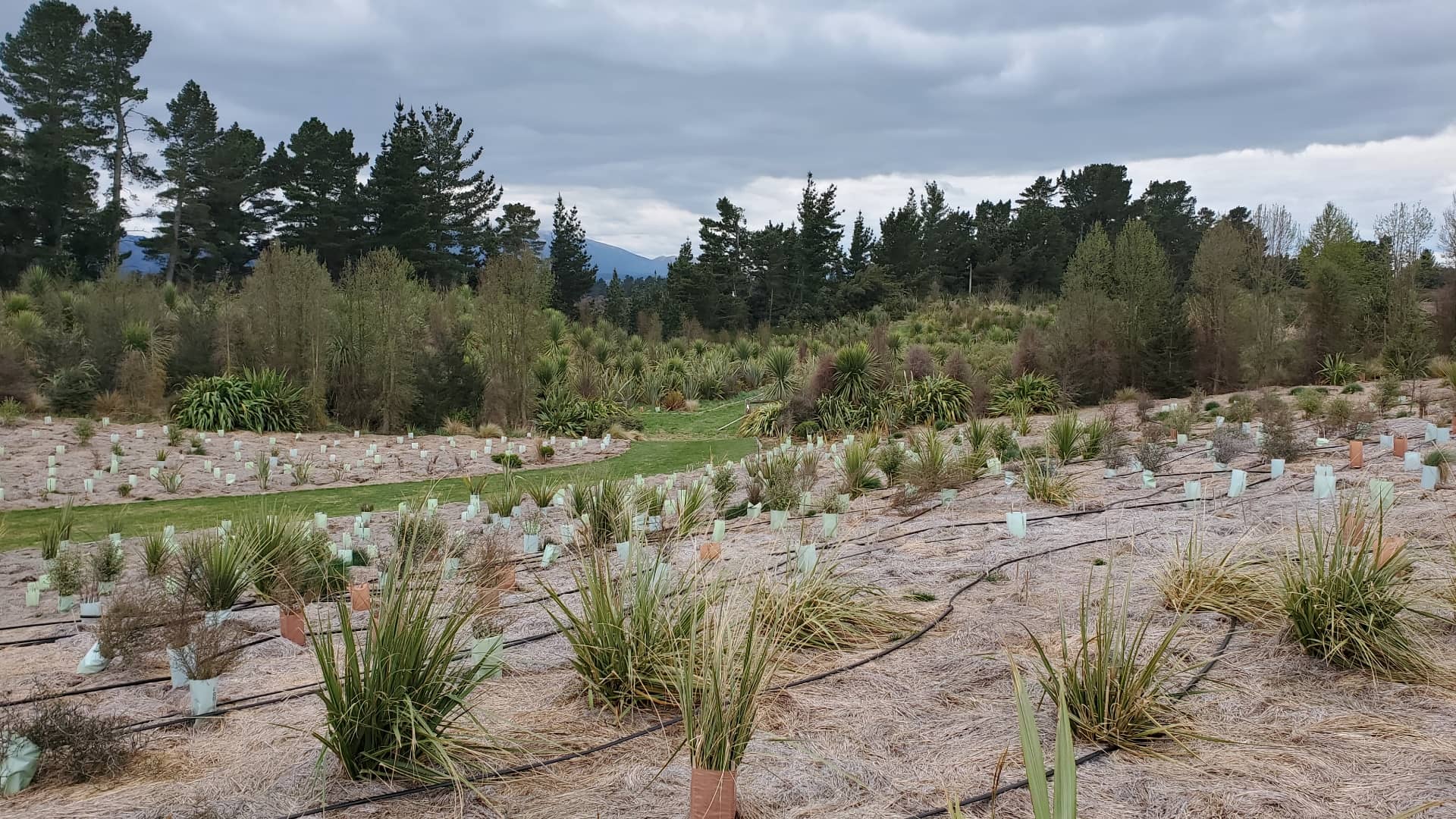
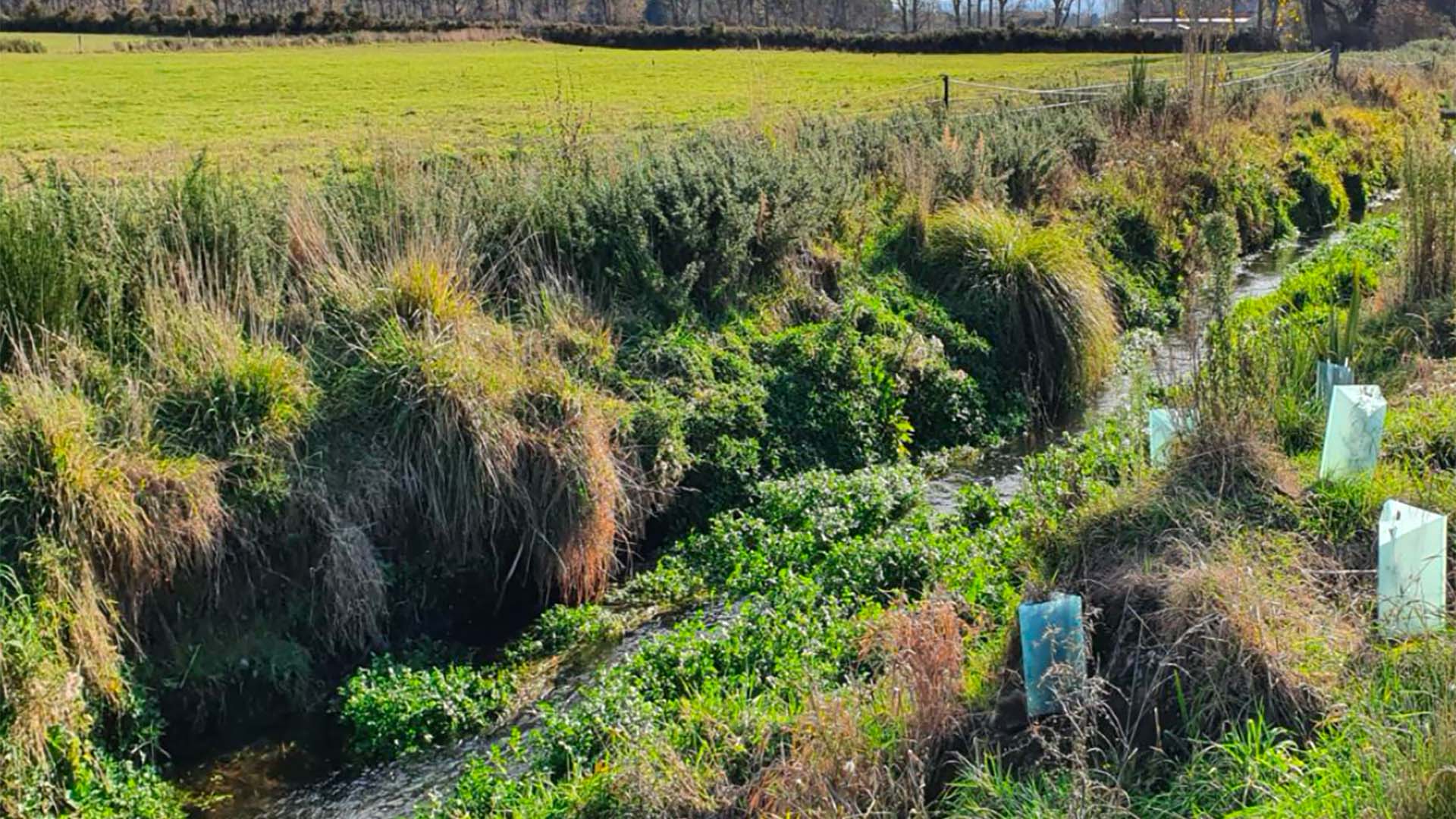
Since 2016, Central Plains Water Limited (CPWL) has contributed over $630,000 through the Central Plains Water Environmental Management Fund (EMF) to a variety of projects. These have contributed to the enhancement of mahinga kai values, including our local ecosystems, nature-based solutions and green infrastructure within the Selwyn/Te Waihora catchment.
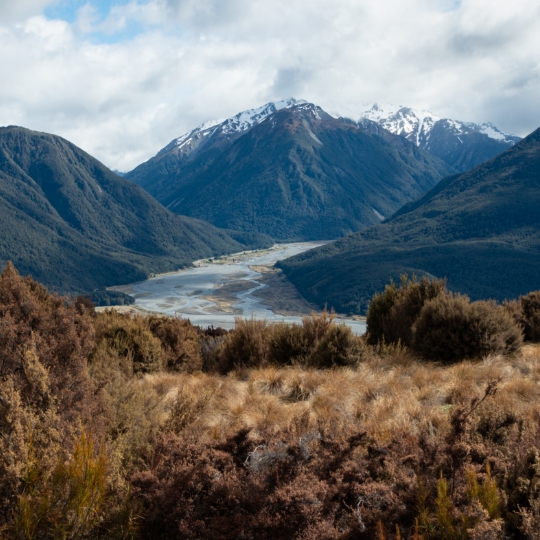
Together, with your initiative and our commitment, we share a vision for a flourishing ecosystem and restored biodiversity, from the mountains to the sea – ki uta ki tai.
2024 funding applications are closing soon.
Every year we seek applicants from landowners or managers, CPWL shareholders, schools, or community organisations who reside or operate within Selwyn Te Waihora catchment who would like assistance with funding, If you have a project that aligns with our objectives apply.
Application Form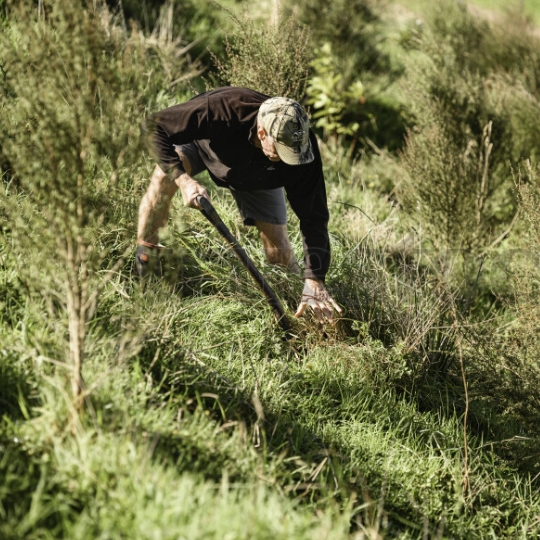
EMF funding guidelines
Big or small we have a range of EMF funding for projects to help make Selwyn Te Waihora a better place. The EMF guidelines will help determine whether you or your group are eligible for funding.
Guidelines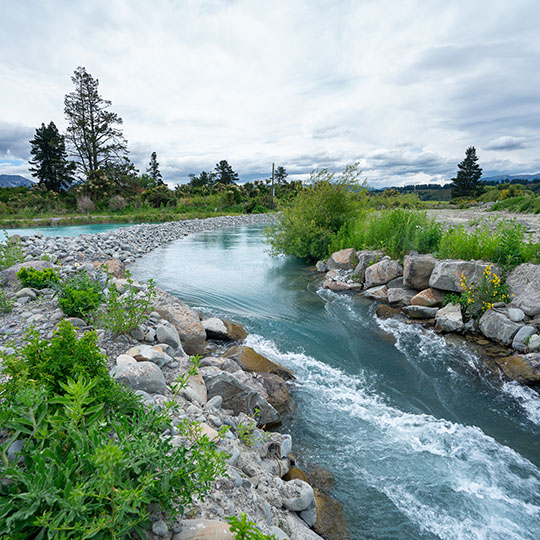
Environmental stories (EMF).
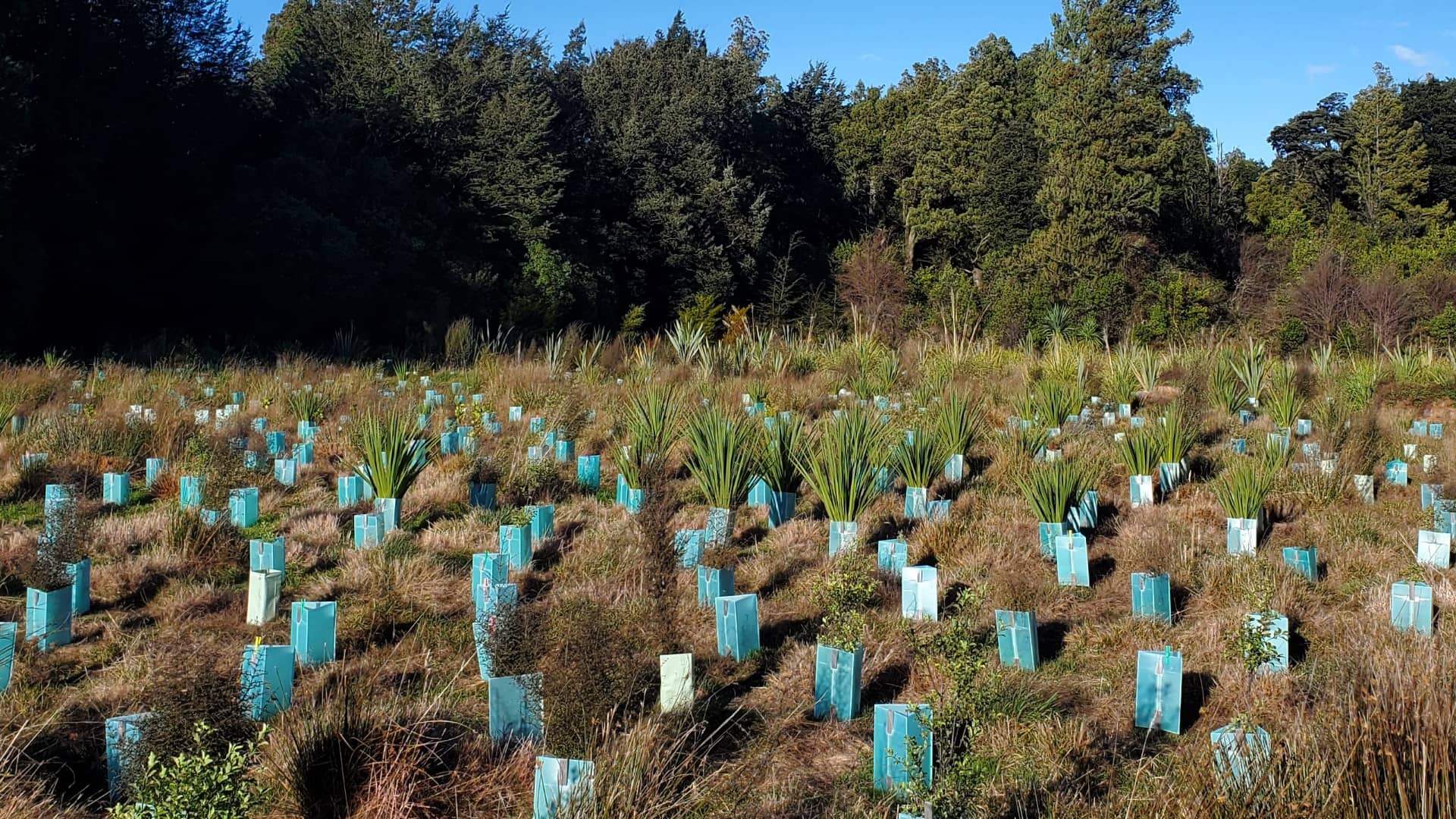
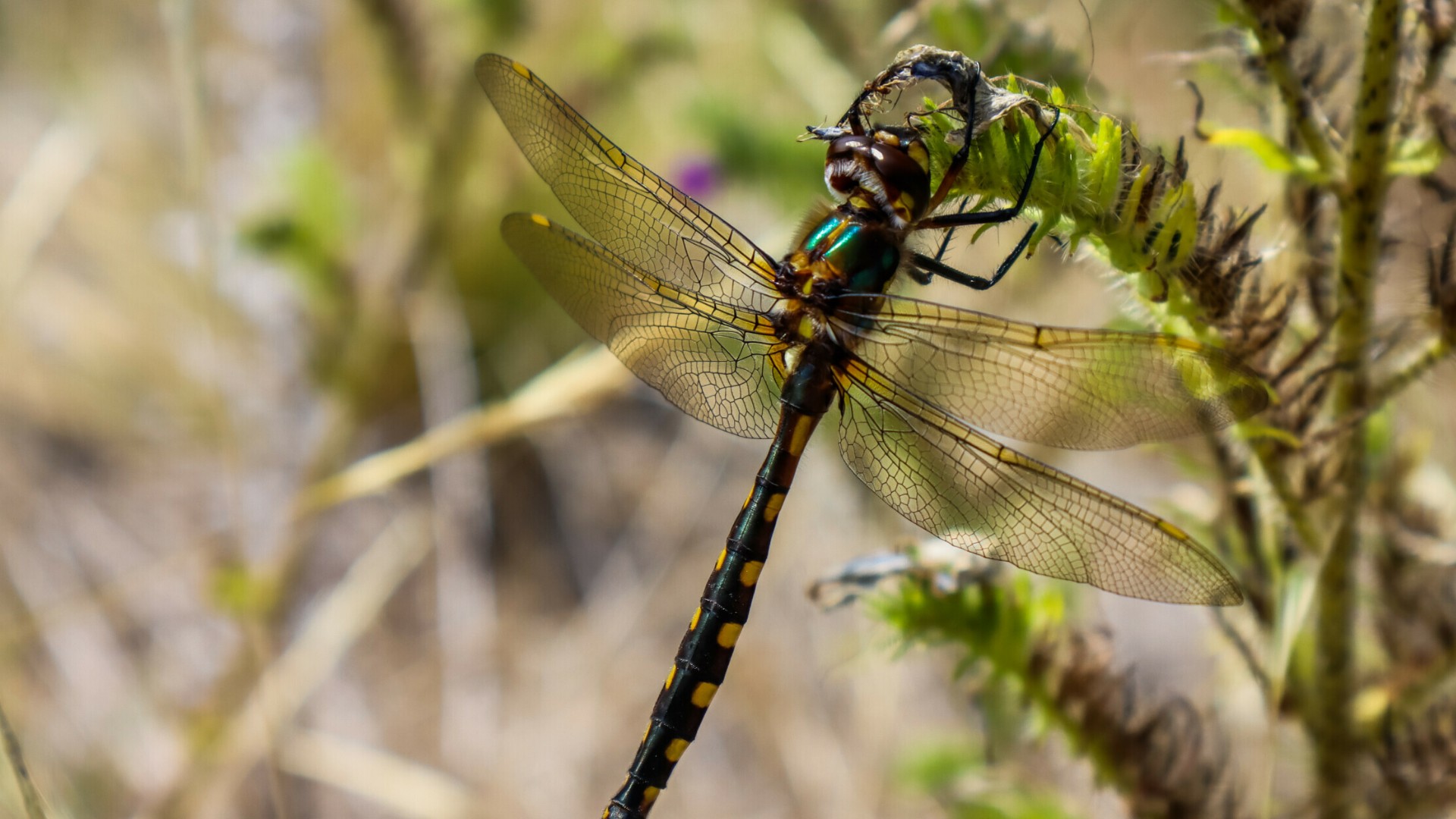
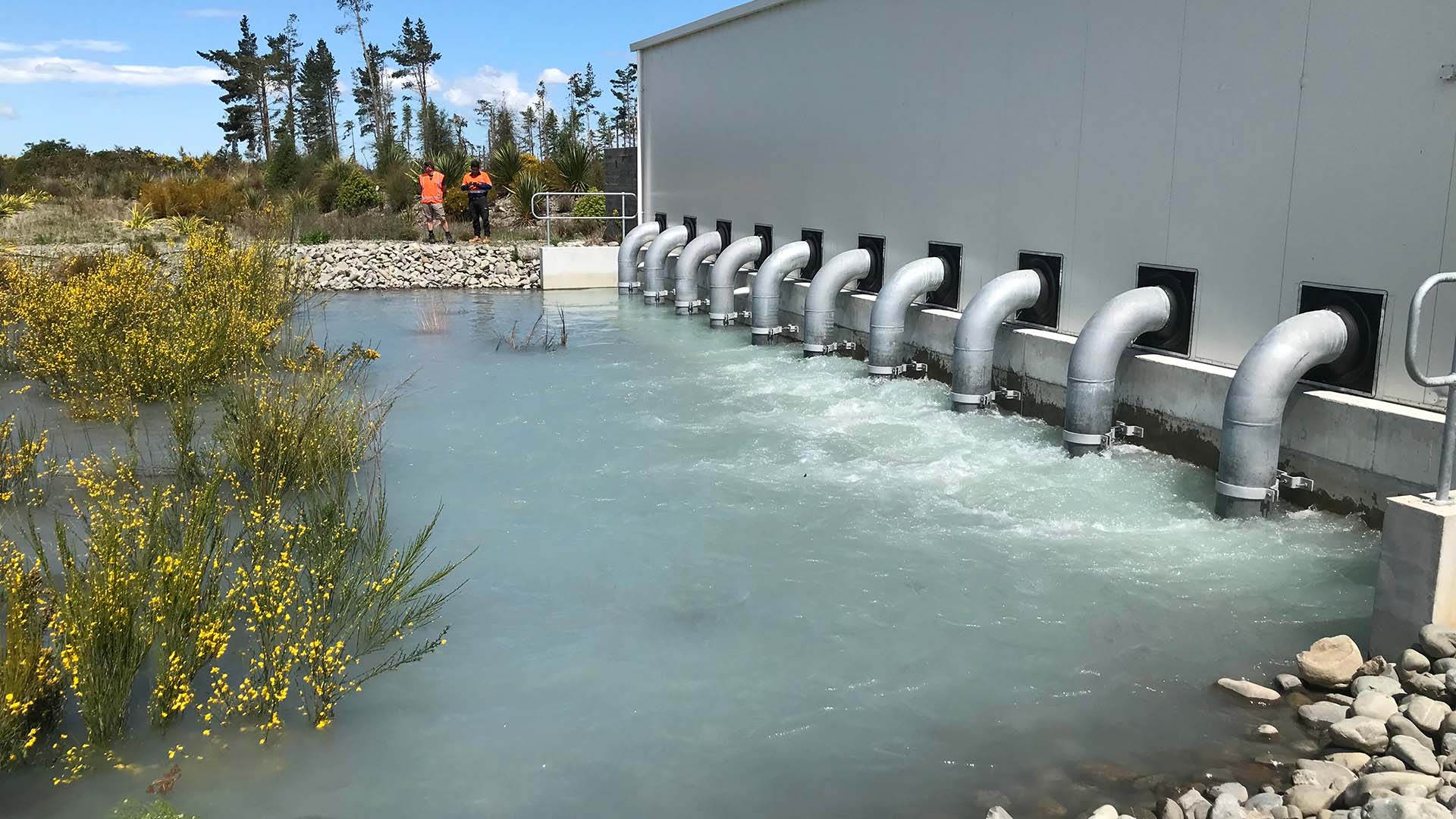
Every year CPWL seek applicants for EMF funding, for big or small projects. Check out how together these projects are making an impact from the mountains to the sea ki atu ki tai.

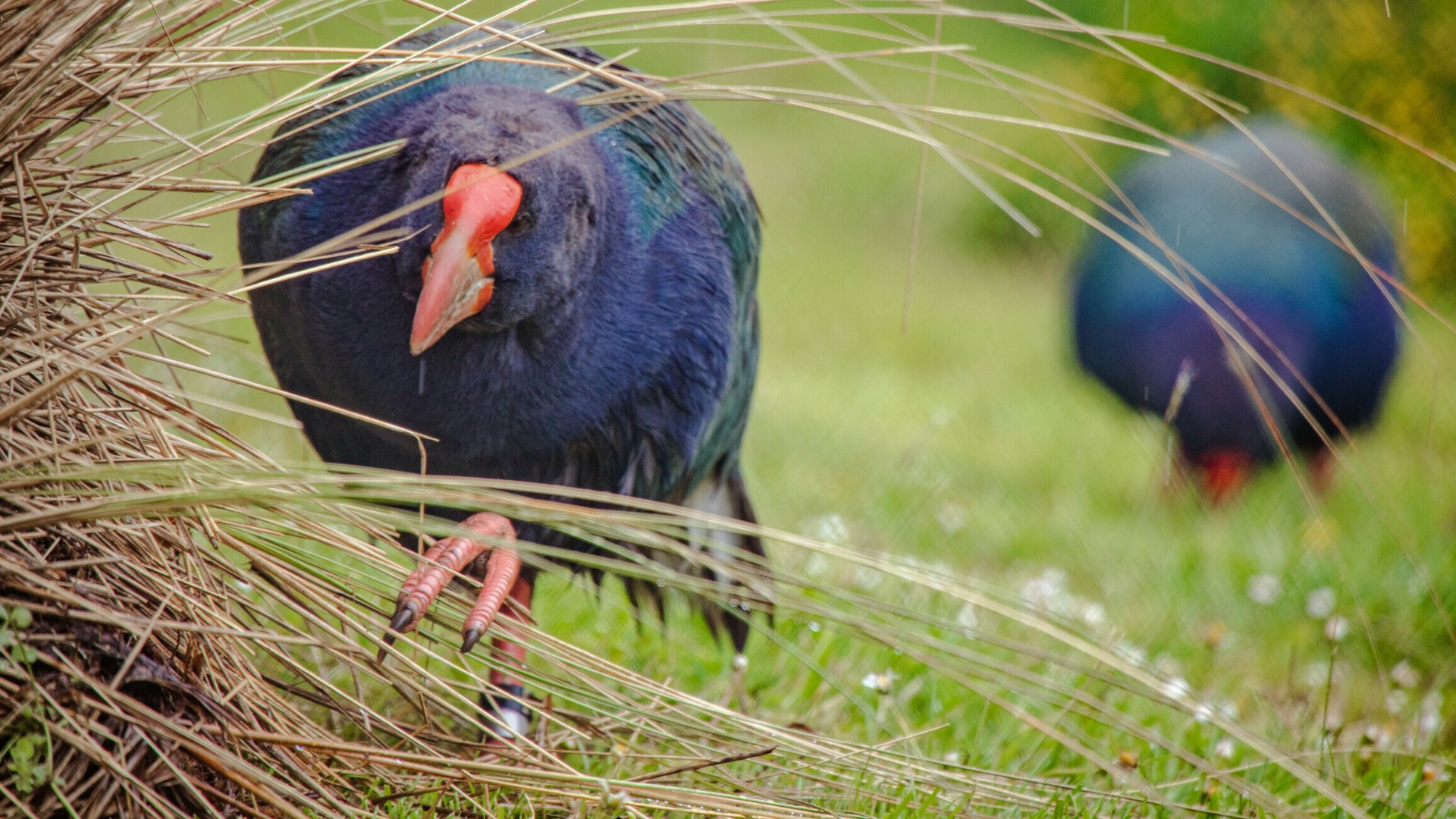
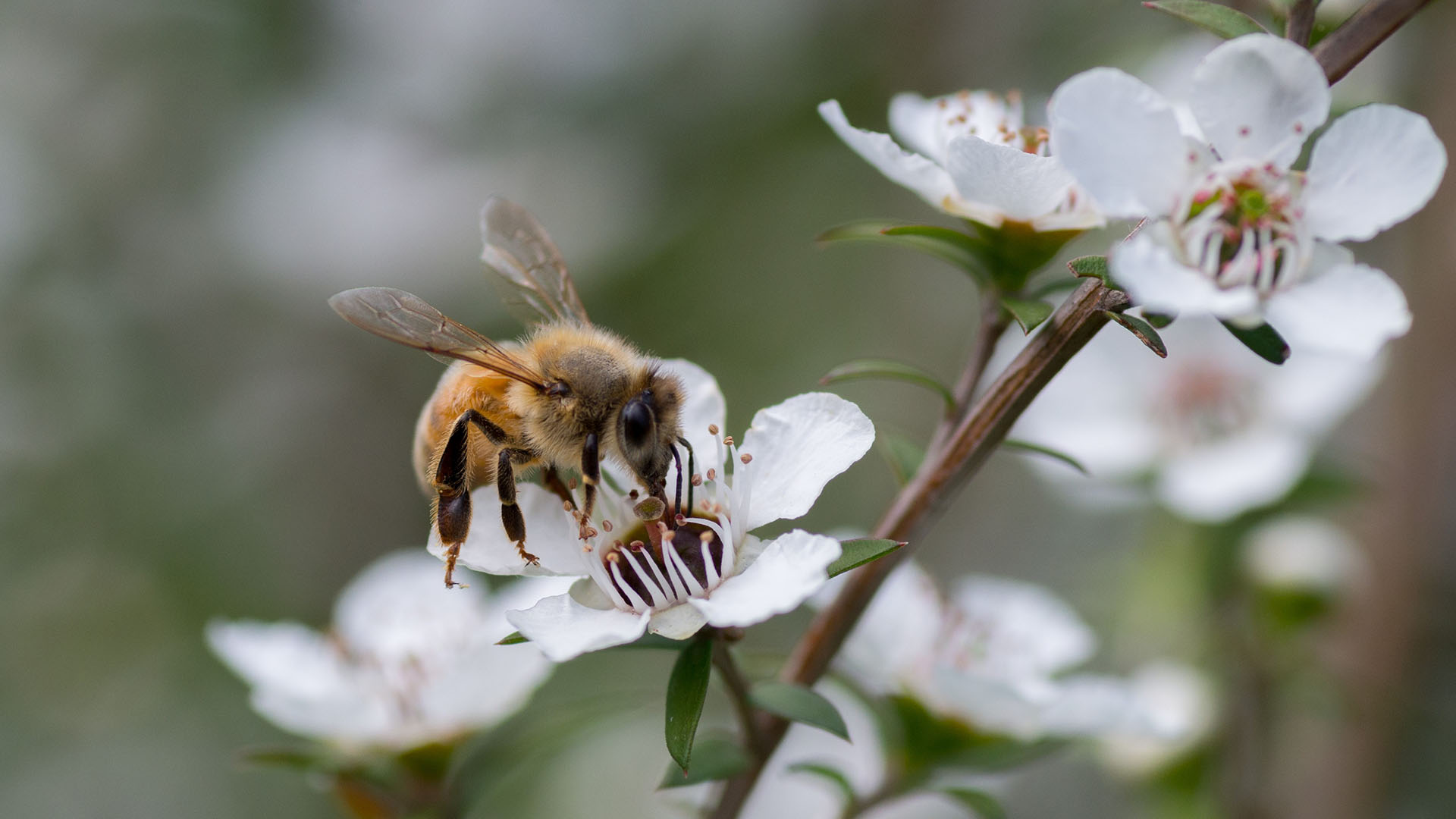
Stuart Wright.
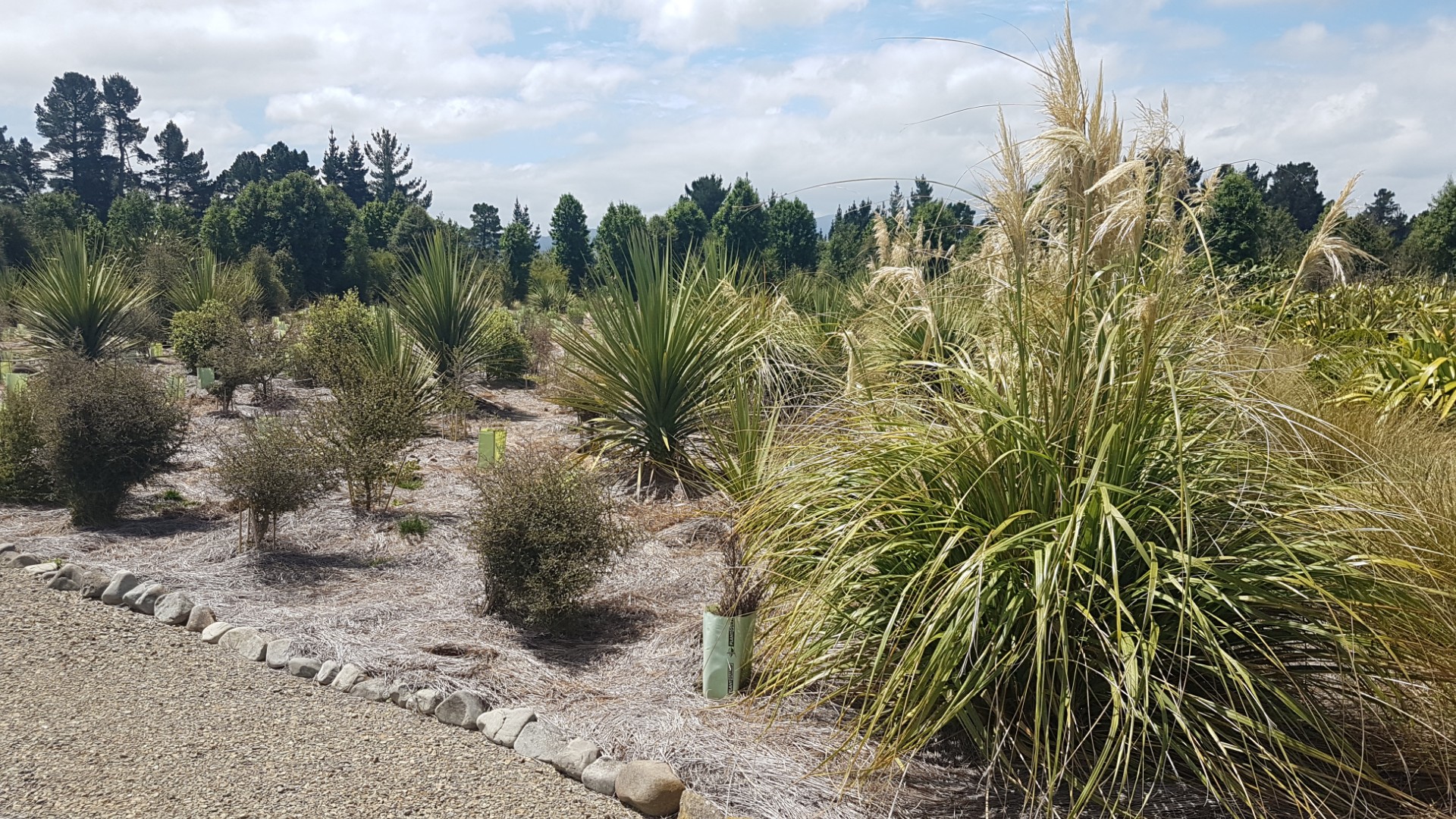
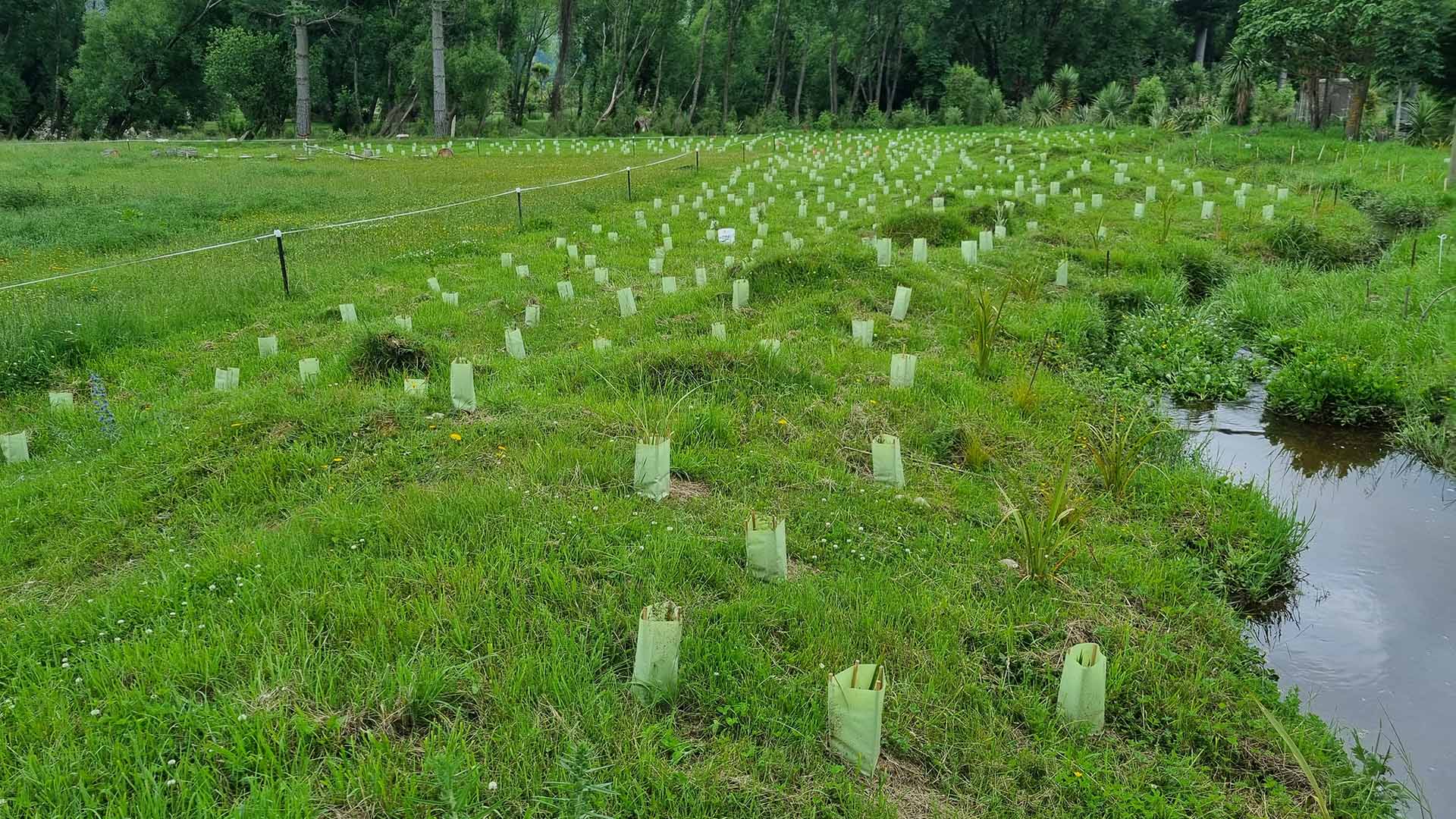
Hamish Wright.
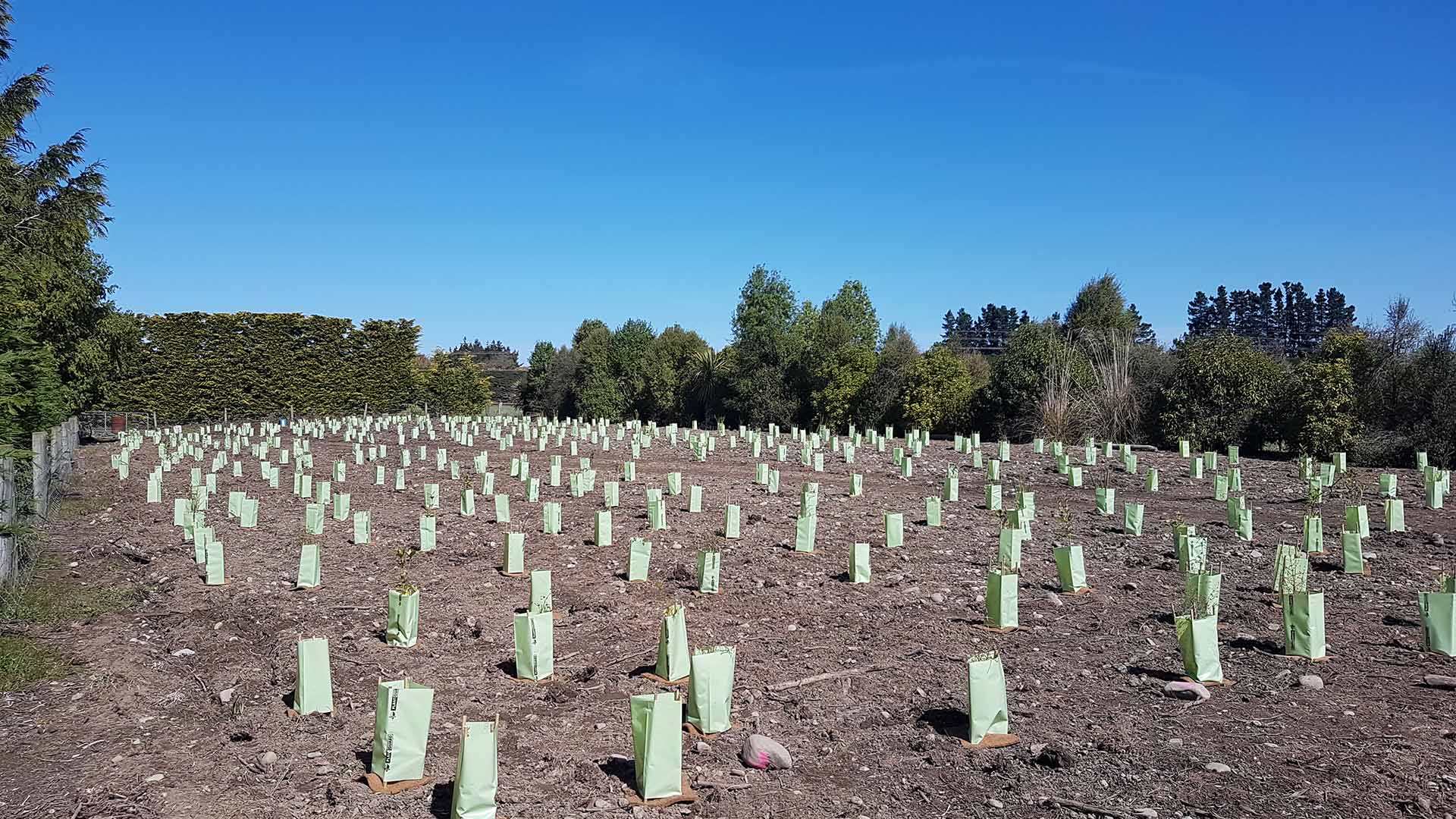
Gough.
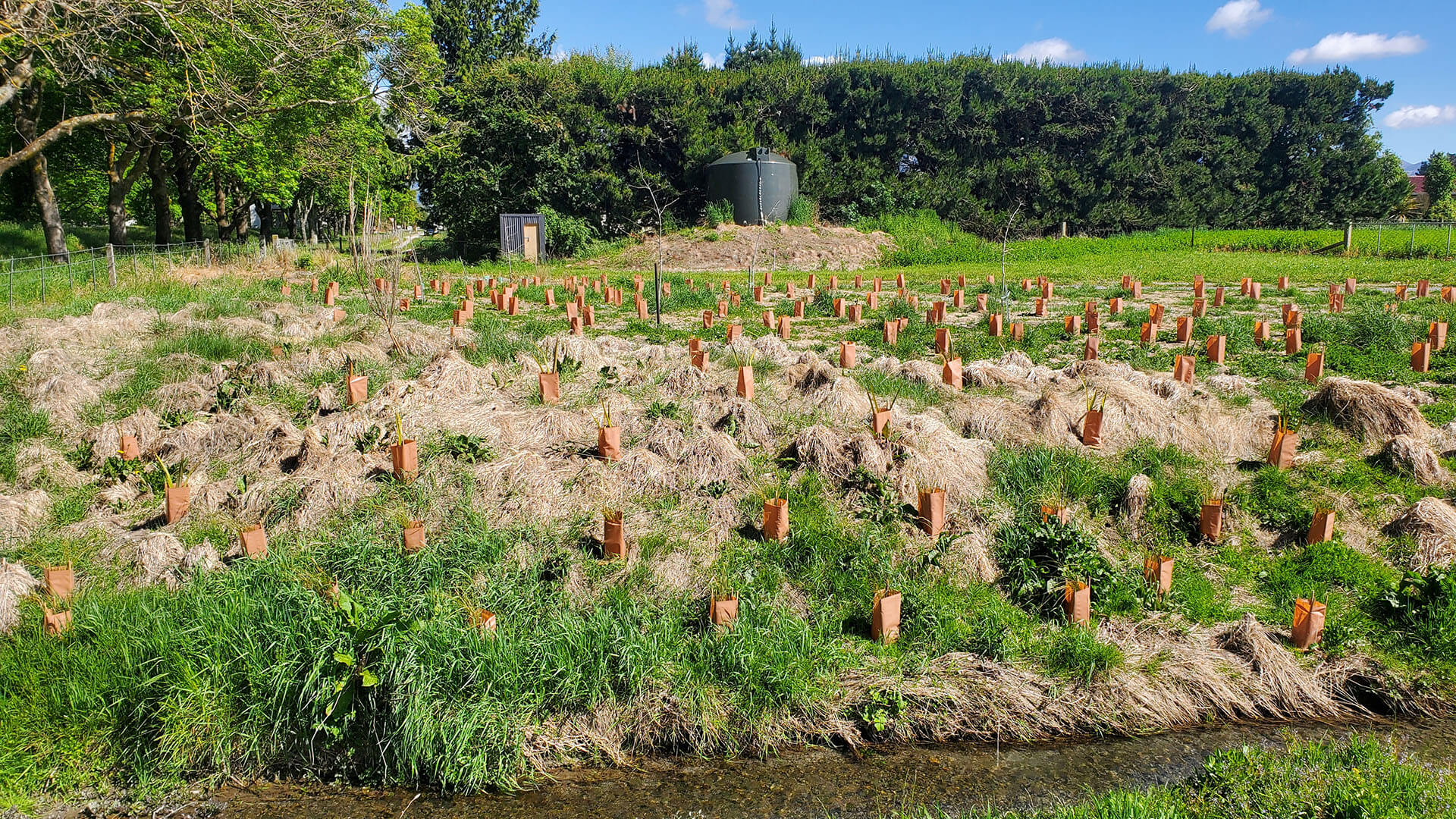
B Faulkner.
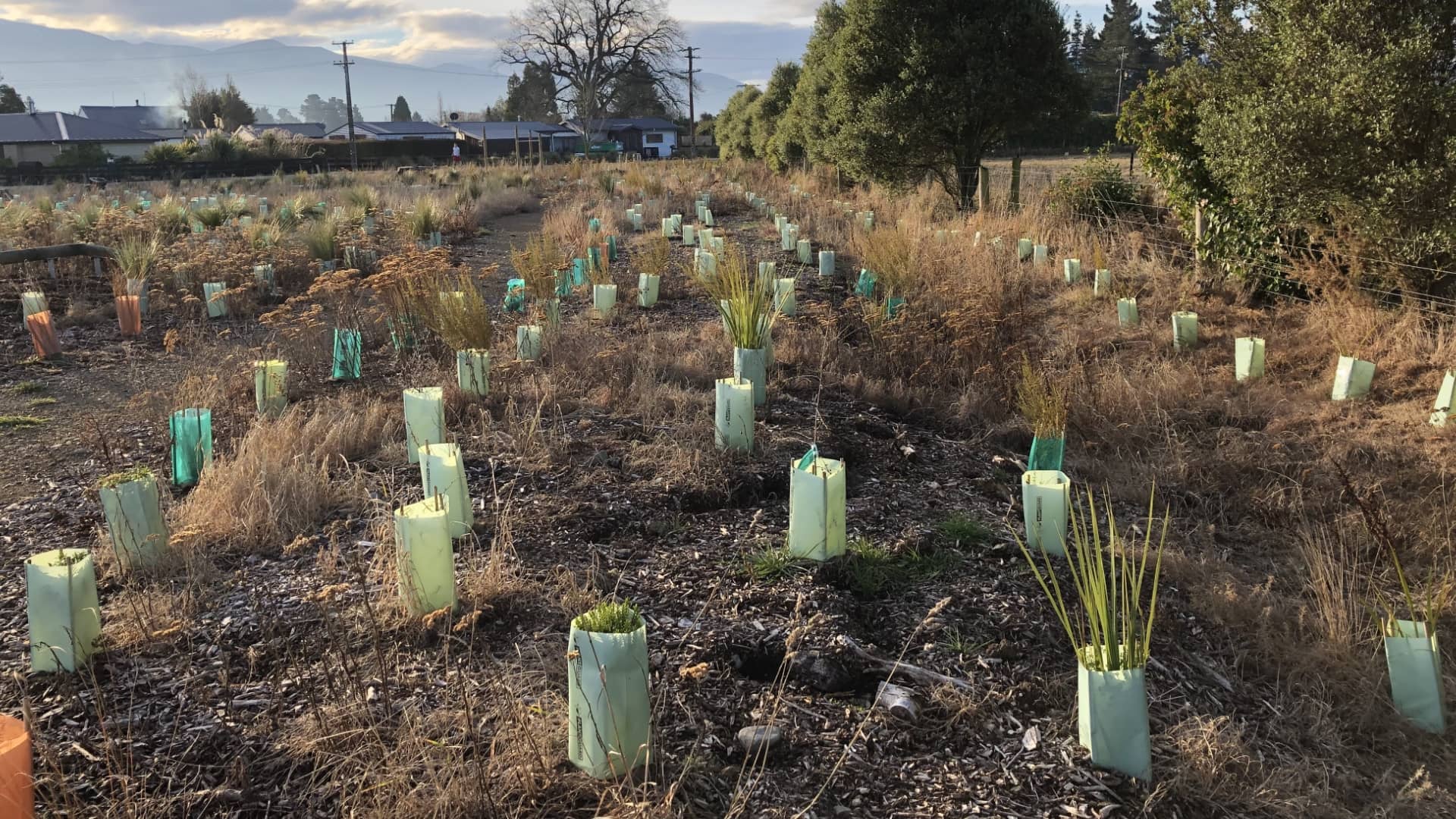
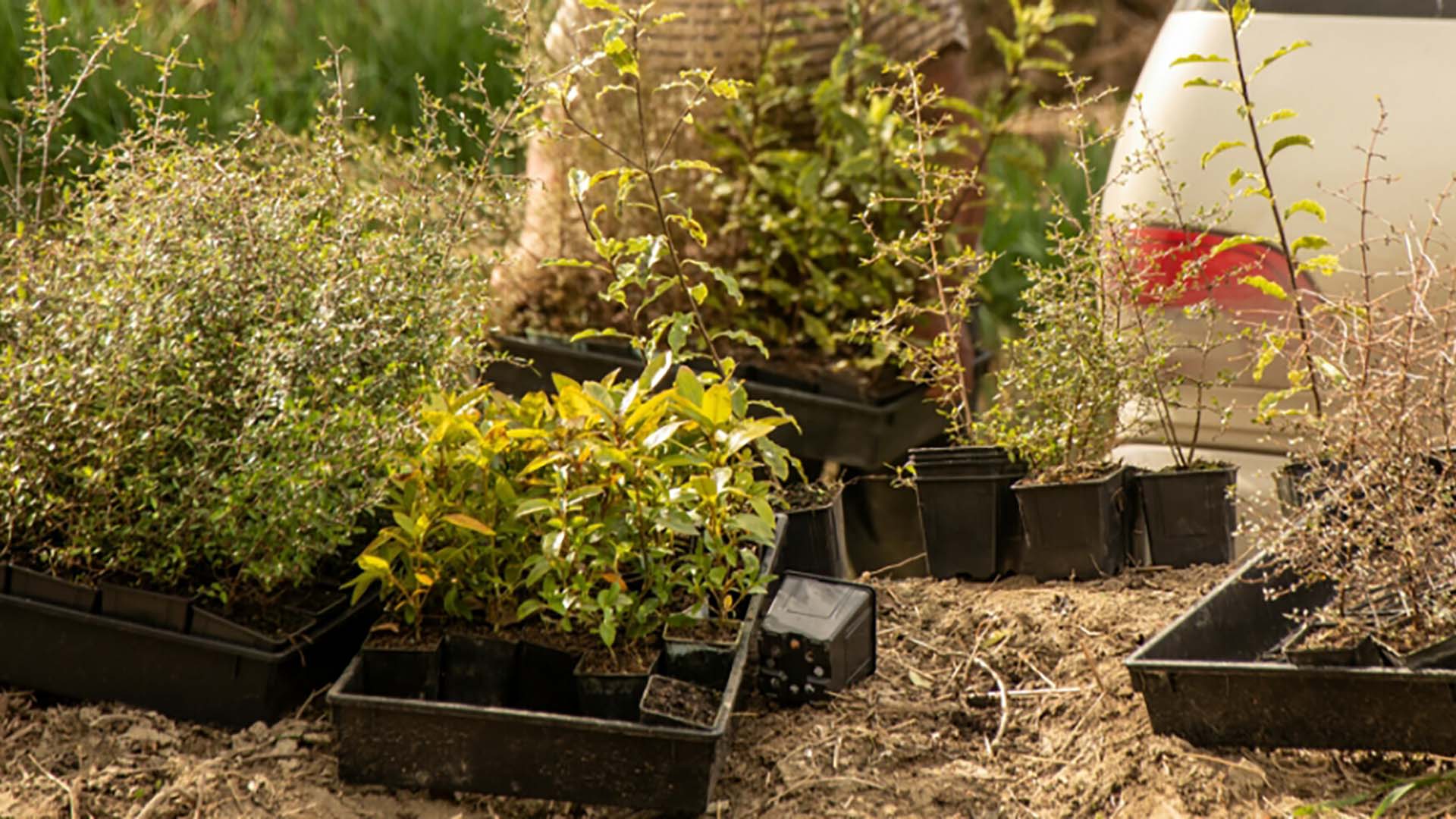

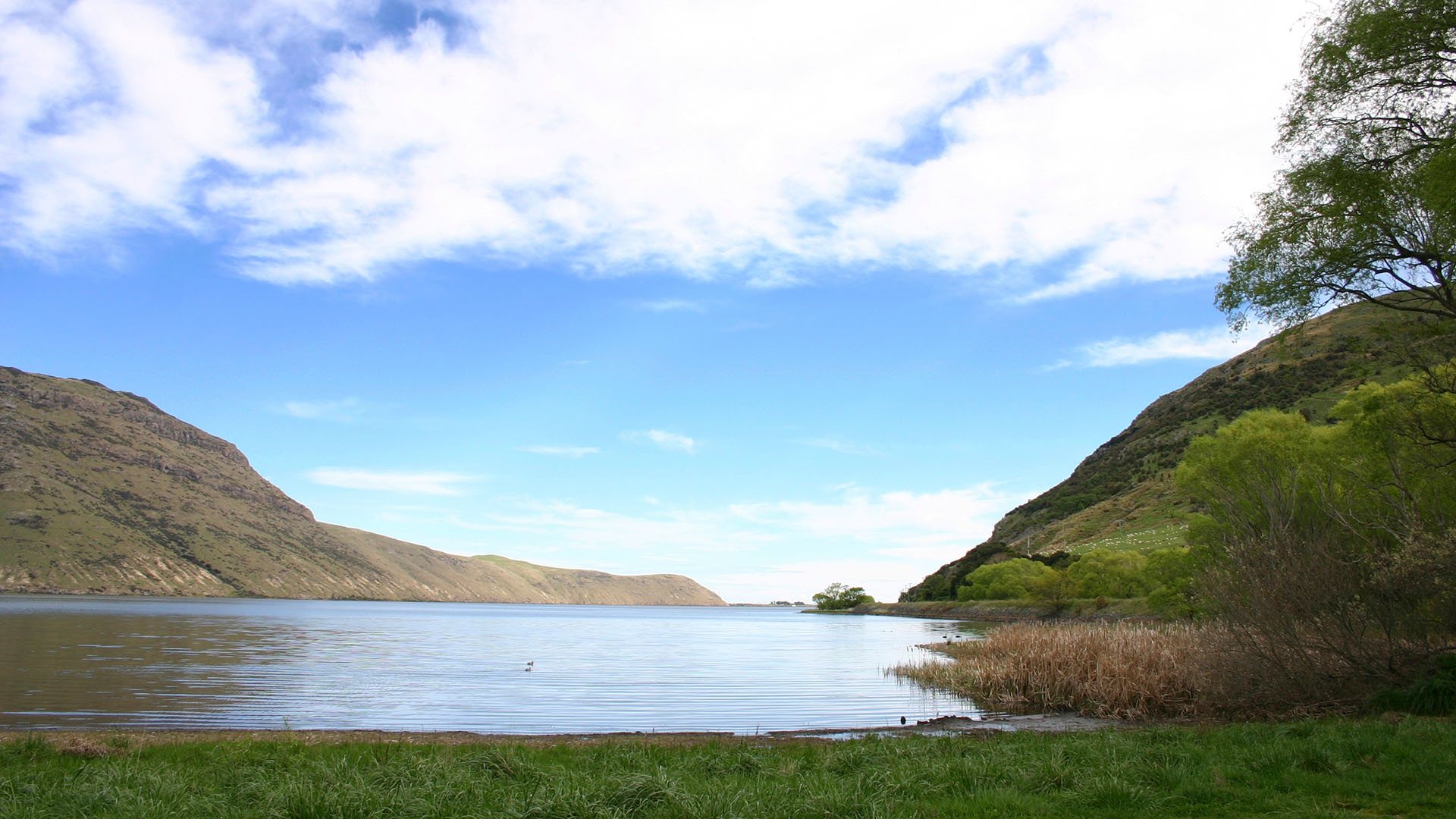
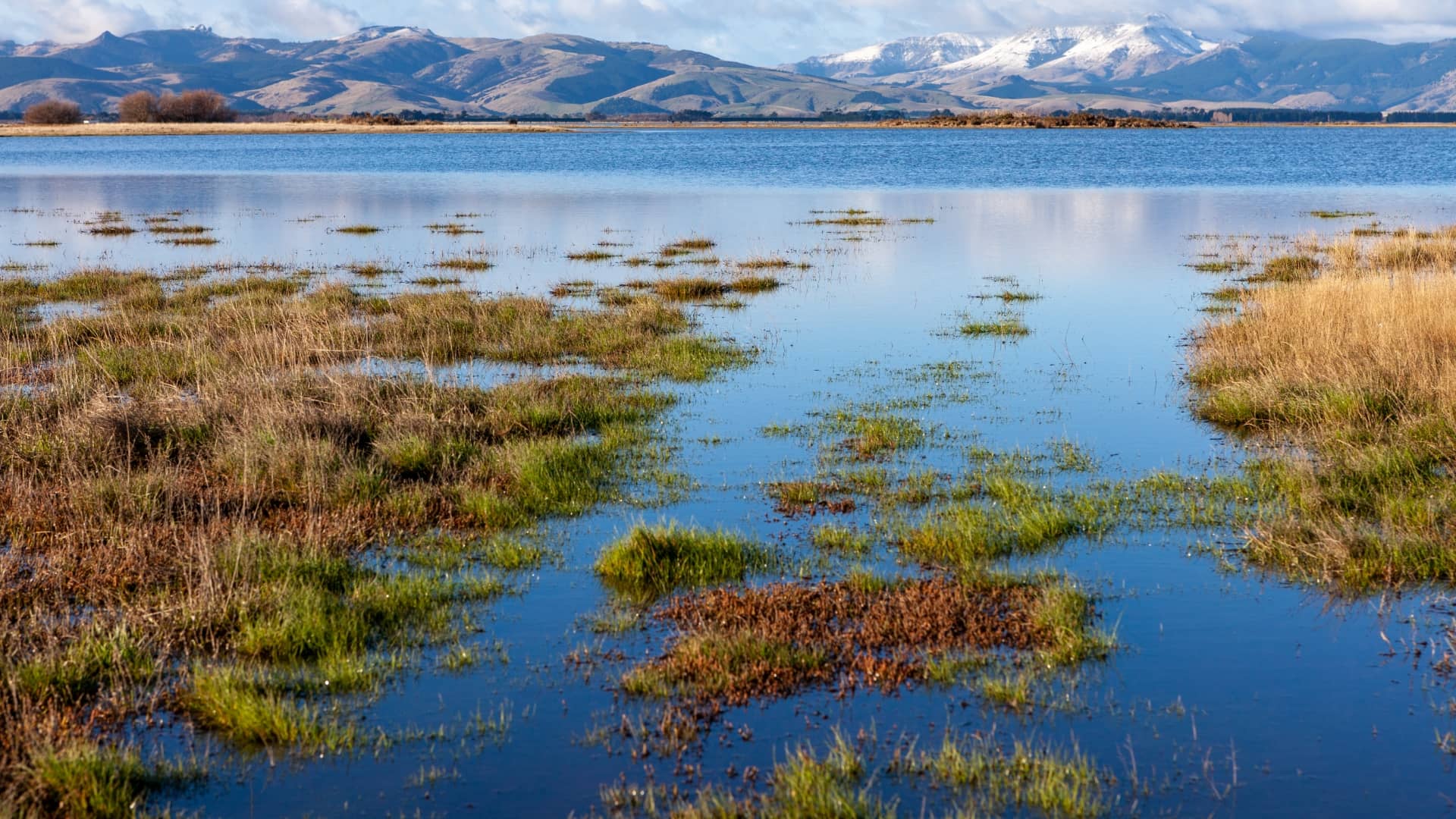
Te Waihora / Lake Ellesmere.
Frequently Asked Questions
Who can apply for CPWL funding?
We welcome applications from those who reside or operate in the Selwyn-Te Waihora catchment and who own, occupy or manage land. You are not required to be a CPWL shareholder to apply, however preference to shareholders will be given.
What projects are eligible for funding?
Consideration for funding will be given to proposals that contribute to the following initiatives:
- Water quality – planting initiatives that positively enhance the water quality for rivers, wetlands, streams and other aquatic habitats
- Green infrastructure – initiatives prioritising the enhancement of ecological corridors, also known as wildlife corridors
- Cultural restoration and preservation – projects to preserve or enhance ecosystems critical to the survival of endangered species and habitats
- Community engagement and education – initiatives that inspire and encourage the next generation to actively contribute to the enhancement of local ecosystems.
How do I apply for funding?
To apply for funding you need to fill out the application form and submit the required information electronically to emf@cpwl.co.nz or hard copy to Central Plains Water Ltd.
When do applications open?
Applications can be submitted at any time.
When do applications close?
Applications close on 30 June each year. Applications received after this date will be considered for the following years fund pool.
When does the committee meet to review funding?
The committee meets formally every 12 months, typically 1 – 2 weeks after applications close, during which all proposals are assessed.
When will I know if my application was successful?
Successful applicants will be notified within six weeks of the annual committee meeting.
How will I receive my funding?
If your application is successful, CPWL will be in touch with instructions on how to claim your funding.
What do I do if I have not received my funding?
If your agreed funding has not been received within three months of our advised timeframe please contact CPWL.
How much funding do you have available?
On average the EMF has approx. $80,000 to $90,000 available each year.
Are there any post-approval requirements ?
Successful applicants must adhere to the terms and conditions outlined in the funding agreement, including reporting on project outcomes and key results.
Who can I contact if I have questions about my application or the funding process?
If you are unable to find the information you require on our website, please contact our environmental team on 03 928 2960.